

دراسة حالة: iTest يعيد ربط أبناء مصر في الخارج
كيف ساعدت منصة iTest وزارة التربية والتعليم في تقييم طلاب الجاليات المصرية حول العالم
المقدمة: تحدٍ وطني عابر للحدود
لعقود طويلة، تولّت وزارة التربية والتعليم المصرية مسؤولية دعم وتعليم الطلاب المصريين المقيمين خارج البلاد ضمن برنامج "أبناؤنا في الخارج". هؤلاء الطلاب — وهم في الغالب أبناء دبلوماسيين، أو موظفين في الخارج، أو من أبناء الجاليات المصرية — يمثّلون شريحة هامة يجب أن تحظى بنفس العدالة والصرامة في التقييم مثل أقرانهم داخل مصر.
وقبل عام 2022، كانت طريقة إجراء الامتحانات لهؤلاء الطلاب تمثّل تحديًا حقيقيًا. كان على الطلاب السفر إلى السفارات أو القنصليات المصرية لإجراء اختباراتهم حضورياً، وهو ما كان يكلّف وقتًا وجهدًا، ويعرض بعض الأسر لصعوبات لوجستية وأمنية. كما أن الأسلوب الورقي في الامتحانات كان يعرّض العملية لمشكلات مثل تأخّر التصحيح، وضياع الأوراق، وتفاوت ظروف الامتحان من دولة لأخرى.
كان لا بدّ من نقلة نوعية: حل رقمي قادر على توحيد التقييمات، وتقليل التكاليف والجهد، والأهم: الوصول إلى كل طالب في أي مكان حول العالم.
التحدي
واجهت الوزارة مجموعة من التحديات الكبيرة، أبرزها:
- الانتشار الجغرافي الواسع: وجود طلاب في أكثر من 100 دولة حول العالم.
- ضعف البنية التحتية في بعض السفارات: الكثير من البعثات لم تكن مجهّزة لإجراء الامتحانات بكفاءة.
- مخاطر أمنية وتسريب الامتحانات: في ظل الاعتماد على أوراق مطبوعة وموزعة يدويًا.
- بطء في عمليات التصحيح والإعلان عن النتائج: بسبب التصحيح اليدوي الكثيف.
- تفاوت بيئة الامتحان: من حيث الظروف اللوجستية والمراقبة.
كل هذه المشكلات كانت تتطلب حلاً أكثر من مجرد "نقل الامتحان إلى الإنترنت"، بل كانت تحتاج إلى نظام ذكي، آمن، وقابل للتوسّع يراعي تفاوت البيئات الرقمية ويضمن النزاهة والعدالة.
الحل مع iTest: هجين، ذكي، وآمن
في العام الدراسي 2022–2023، عقدت وزارة التربية والتعليم شراكة مع منصة iTest التابعة لإنترزيرو لتطبيق حل رقمي شامل للتقييمات، يخدم متطلبات برنامج "أبناؤنا في الخارج".
وقد تم تصميم الحل بطريقة هجينة تتماشى مع اختلاف الأعمار والمراحل الدراسية:
✅ للصفوف من الأول حتى الثالث: نموذج "اطبع – حل – امسح ضوئيًا"
- تم إرسال أوراق الامتحانات بصيغة PDF إلى أولياء الأمور إلكترونيًا.
- يقوم الطالب بحل الامتحان يدويًا، ثم يقوم الأهل بمسحه ضوئيًا ورفعه على منصة iTest.
- يتم تصحيح الأوراق تلقائيًا باستخدام تقنيات الذكاء الاصطناعي والتعرف على الخط اليدوي.
هذا النموذج حافظ على الأسلوب الورقي المريح لصغار السن، دون التضحية بسرعة التصحيح أو توحيد النتائج.
✅ للصفوف من الرابع حتى التاسع: امتحانات إلكترونية بالكامل
- يجري الطالب الامتحان مباشرة على منصة iTest باستخدام اسم مستخدم وكلمة مرور.
- المنصة تدعم تنوّع الأسئلة: اختيار من متعدد، إجابات قصيرة، وملء الفراغات.
- تم تطبيق إجراءات أمنية مثل تحديد الزمن، ترتيب عشوائي للأسئلة، ومنع النسخ.
الأثر الواقعي: نجاح واسع النطاق
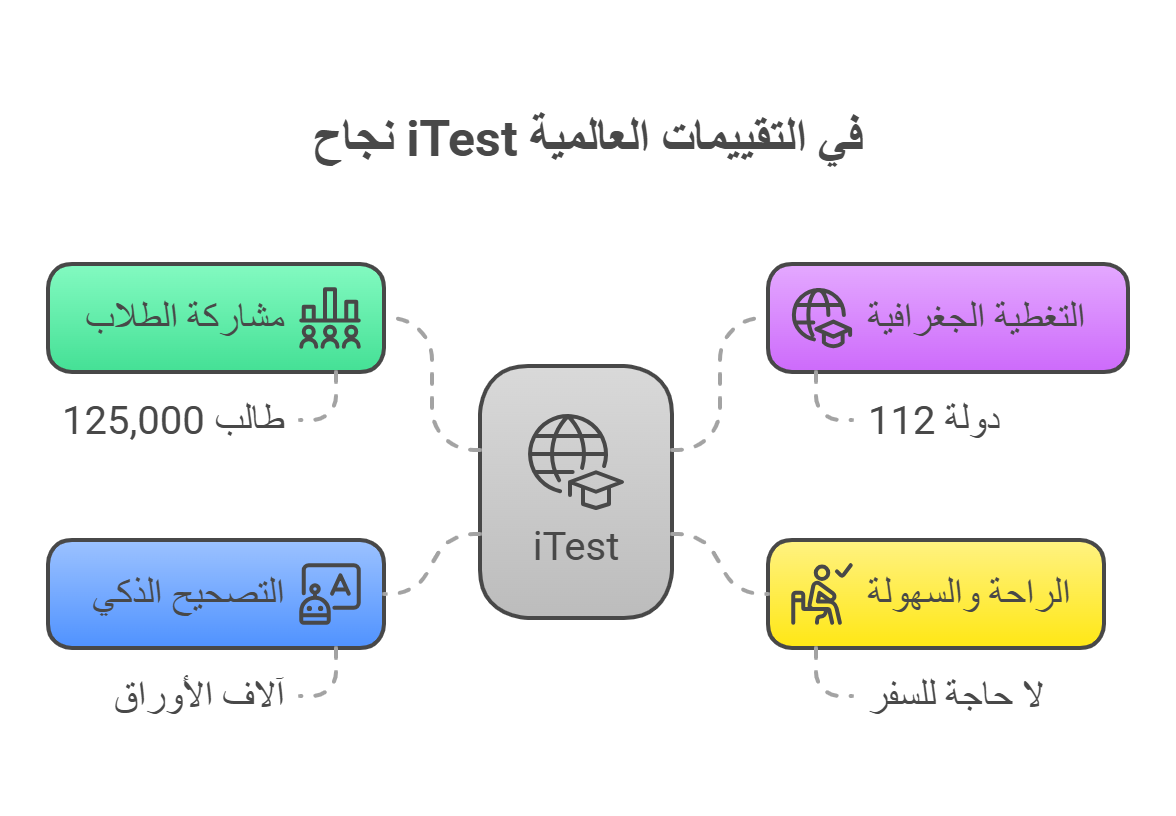
أثبت تطبيق iTest نجاحًا حقيقيًا وفعّالًا على نطاق واسع في دورة 2022–2023.
📊 أرقام قياسية:
- أكثر من 125,000 طالب شاركوا في التقييمات.
- تمت التغطية في 112 دولة حول العالم.
- لم يُطلب من أي طالب السفر فعليًا لأداء الامتحان.
- تم تصحيح آلاف الأوراق باستخدام الذكاء الاصطناعي دون تدخل بشري.
هذا النجاح لا يُظهر فقط مرونة المنصة، بل يعكس قوة الحل التقني في تحقيق العدالة وتوفير الجهد والوقت.
لماذا نجح iTest؟
🔐 أمان عالي وتكامل كامل
- تسجيل دخول مؤمّن باستخدام رموز خاصة.
- تشفير البيانات والسجلات تلقائيًا.
- نظام حماية ضد الغش وتسريب الأسئلة.
- دعم للتصحيح الرقمي والمعالجة الذكية.
⚙️ كفاءة في التشغيل والإدارة
- متابعة فورية لحالة رفع الامتحانات وتصحيحها عبر لوحة تحكم مركزية.
- لا حاجة لتوزيع أو جمع أوراق.
- تقارير دورية للإدارة لمراقبة الأداء والانضباط.
🧠 تصحيح باستخدام الذكاء الاصطناعي
- تحليل فوري للأوراق الممسوحة ضوئيًا.
- تطبيق معايير التصحيح تلقائيًا وموحدة على كل الطلاب.
- نتائج دقيقة وسريعة.
🌍 شمولية ومرونة الوصول
- يمكن الدخول للمنصة من أي متصفح وجهاز ذكي.
- واجهة الاستخدام باللغتين العربية والإنجليزية.
- الحل الورقي الرقمي (الهجين) يعمل حتى في المناطق ذات الاتصال الضعيف.
الخاتمة: بداية جديدة للتقييمات العابرة للحدود
نجاح وزارة التربية والتعليم في تحويل امتحانات برنامج "أبناؤنا في الخارج" إلى تجربة رقمية آمنة وفعالة من خلال iTest يثبت أن التحول الرقمي في التعليم يمكن أن يكون عابرًا للحدود.
لم يعد الطلاب في الخارج يعانون من المسافات أو مشكلات البنية التحتية، ولم تعد الوزارة غارقة في المعاملات الورقية والتأخيرات. أصبح التقييم أكثر عدالة، أكثر كفاءة، وأكثر شفافية.
وهذه التجربة هي بداية فقط نحو مستقبل تعليمي رقمي أوسع يشمل كل طالب مصري، أينما كان.