


Future-Proof Your Institution: Top 10 Education Technology Trends for 2025
As education technology evolves at an unprecedented rate, institutions that fail to adapt risk being left behind. The rapid adoption of AI, immersive learning, gamification, and blockchain is transforming how students learn, teachers teach, and administrators manage educational processes. From personalized learning powered by AI to blockchain-secured credentials, technology is making education more engaging, accessible, and data-driven.
This article explores 10 key education technology trends shaping 2025 and beyond, with real-world examples of how leading institutions are already leveraging these technologies. By implementing these innovations, educators and institutions can provide a more personalized, inclusive, and future-ready learning experience.
1. AI-Powered Personalized Learning: The Future of Adaptive Education
As education shifts toward student-centric models, Artificial Intelligence (AI) is playing a pivotal role in customizing learning experiences. AI-powered adaptive learning platforms analyze students' learning patterns, strengths, weaknesses, and engagement levels to tailor content in real time. This level of personalization enhances retention, comprehension, and student motivation.
With AI-driven assessments, chatbots for tutoring, and intelligent recommendation engines, educators can bridge learning gaps and provide data-backed insights to improve student performance. By 2025, AI in education is expected to become even more sophisticated, offering real-time feedback and intervention strategies that adapt to individual needs.
Example: iTest by Intrazero – AI-Powered Adaptive Assessments

iTest is an AI-driven online assessment platform that revolutionized exam administration and student evaluation. It was initially designed to support Egypt's national education system and has now been adopted for the Egyptian Medical Licensing Examination (EMLE).
✅ Key Features:
- AI-driven difficulty adjustment: The system analyzes students’ previous performance and suggests test questions tailored to their learning needs.
- Automated feedback and grading: AI-powered analytics provide instant performance reviews, helping educators track student progress.
- Smart intervention alerts: Identifies students at risk and recommends personalized study resources.
📊 Impact: iTest has been adopted by all public universities in Egypt, streamlining exam processes, increasing security, and ensuring fairness in assessments.
2. Immersive Learning with AR/VR: Engaging the Senses
The limitations of traditional education methods have become increasingly evident. Textbooks and static images can only go so far in explaining complex subjects, while students struggle to grasp abstract concepts. Augmented Reality (AR) and Virtual Reality (VR) are changing the game by providing immersive, interactive learning experiences that allow students to engage with educational content in a more meaningful way.
By placing students in realistic, simulated environments, AR/VR technology enhances knowledge retention, engagement, and comprehension. These tools are particularly effective in medical training, historical education, science experiments, and technical skill development, allowing learners to practice and explore in a risk-free, engaging environment.
Example: Stanford University’s Virtual Reality Lab
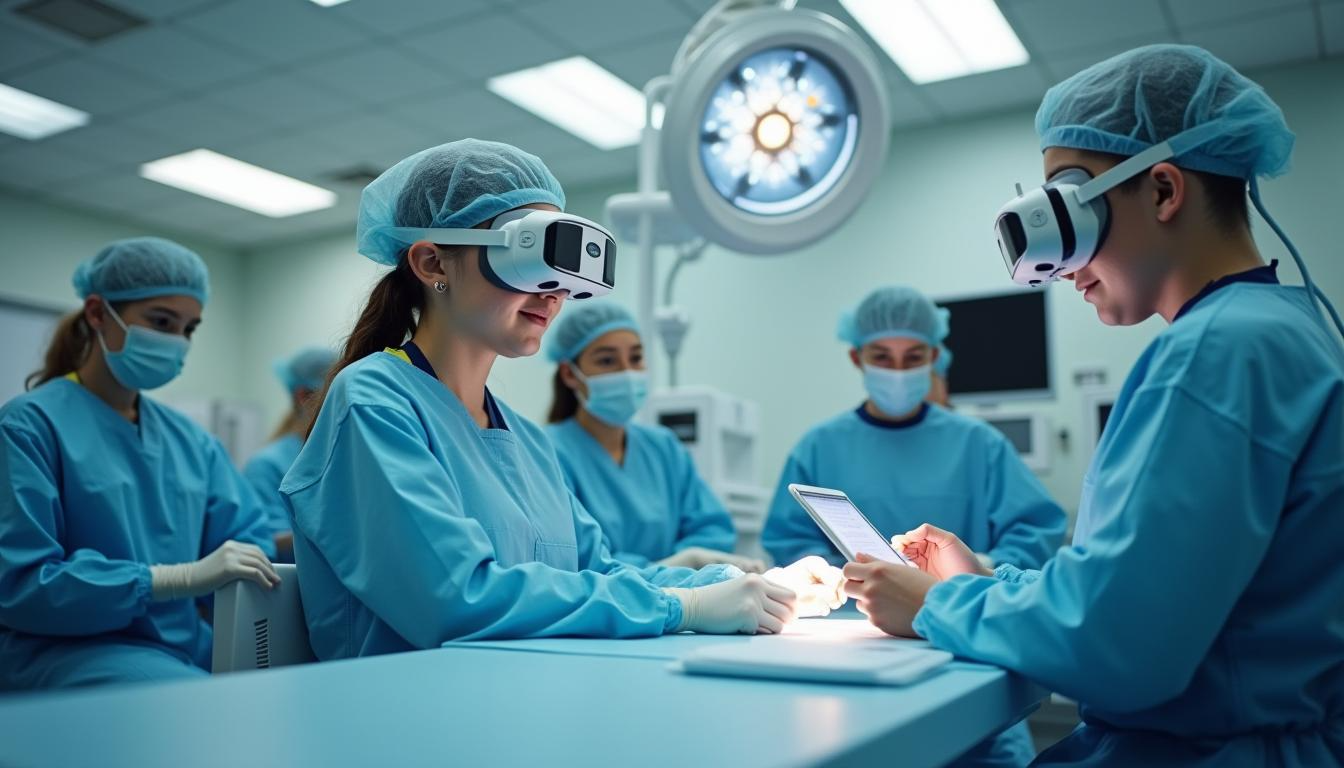
Stanford University is at the forefront of immersive education, leveraging VR for cutting-edge learning experiences across multiple disciplines.
✅ Key VR Programs:
- Medical VR Training: Stanford’s medical students perform virtual surgeries using VR simulations, allowing them to practice high-stakes procedures without real-world consequences.
- History and Archaeology in VR: Students can explore ancient civilizations, walking through reconstructed historical sites to experience history rather than just reading about it.
- Environmental Science and Climate Change Simulations: VR allows students to witness realistic depictions of climate change’s impact, helping them understand complex ecological shifts in an interactive way.
📊 Impact: Stanford’s VR-based courses have improved student engagement by 76% compared to traditional learning methods【Stanford VHIL, 2023】.
3. Microlearning: Maximizing Engagement with Bite-Sized Content
In the age of shorter attention spans and busy schedules, students and professionals increasingly prefer learning in smaller, more manageable chunks. Microlearning focuses on delivering information in quick, focused modules, making learning more efficient and digestible.
By 2025, AI-powered microlearning platforms will offer adaptive learning paths, real-time progress tracking, and gamified reinforcement exercises, enabling students to retain knowledge more effectively. Microlearning is particularly valuable for corporate training, language learning, and skills-based education, as it allows learners to integrate learning seamlessly into their daily lives.
Example: Duolingo – The World’s Leading Microlearning App
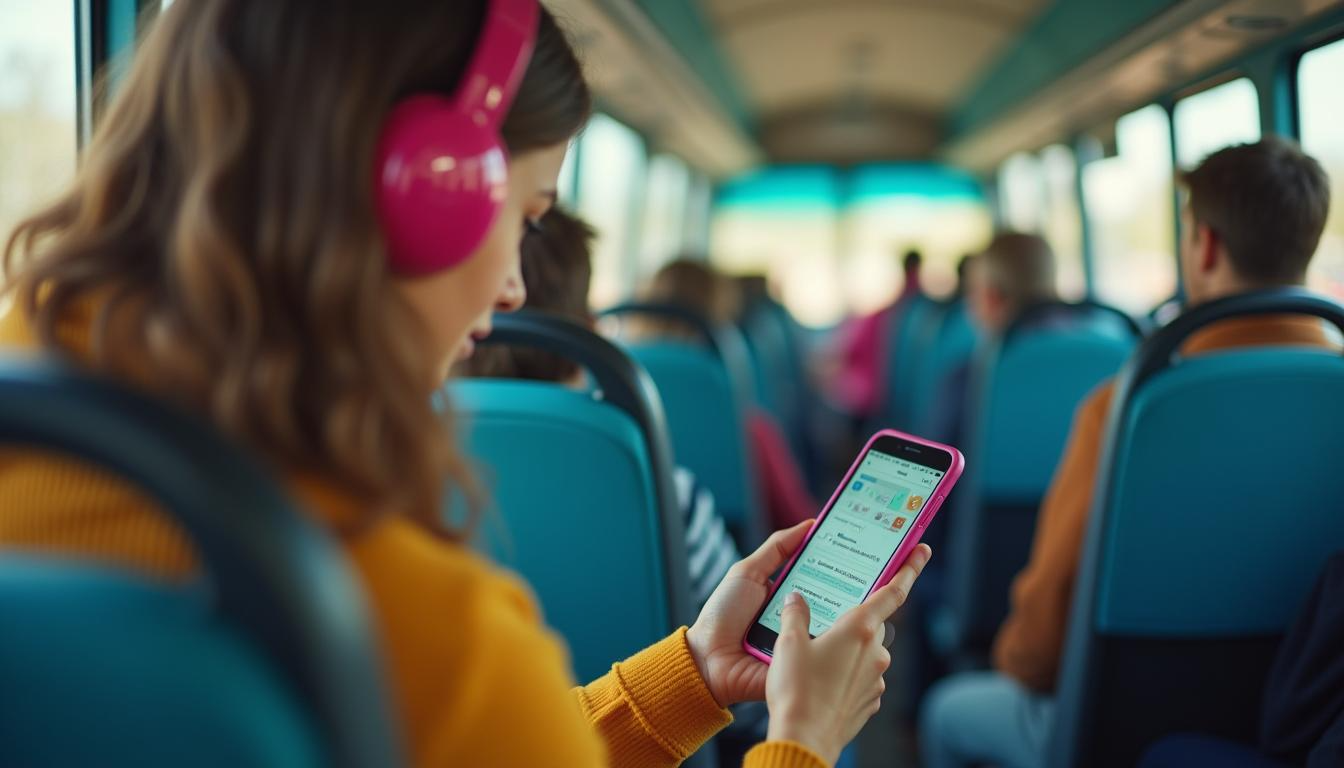
Duolingo has transformed language learning through AI-driven microlearning experiences, catering to over 500 million users worldwide.
✅ Key Features:
- 5-minute, gamified lessons that fit into users’ daily routines.
- AI-powered difficulty adaptation to ensure progressive learning.
- Speech recognition for pronunciation training, providing real-time feedback.
📊 Impact: Duolingo has increased user retention by 60%, making it the world’s most popular language-learning app【Duolingo Learning Efficacy Report, 2022.
4. Gamification: Making Learning Fun and Rewarding
Gamification integrates interactive and competitive elements into learning, boosting motivation and engagement. By incorporating leaderboards, achievement badges, and reward systems, learning becomes more dynamic and rewarding, fostering intrinsic motivation among students.
Studies show that gamification enhances learning outcomes by making complex topics more engaging and memorable. Many educational institutions, corporate training programs, and online learning platforms have successfully incorporated game-based learning strategies.
Example: Kahoot! – Game-Based Learning in Classrooms
Kahoot! is a widely used gamification tool that transforms traditional education into an interactive quiz-based experience.
✅ Key Features:
- Live quiz battles where students compete for points.
- Instant feedback and analytics to track progress.
- Integration with classroom learning, making lessons fun and interactive.
📊 Impact: Schools using Kahoot! report a 35% increase in student participation and engagement【Kahoot! Annual Impact Report, 2023.
5. Data Analytics: Driving Decisions with Real-Time Insights
Education has traditionally relied on gut instinct and general trends to assess student performance and institutional success. However, the rise of big data analytics in education has made it possible to track, analyze, and predict student performance with remarkable precision.
With real-time analytics, educators can identify at-risk students before they fall behind, optimize teaching strategies based on learning patterns, and ensure data-driven decision-making. By 2025, the use of predictive analytics and AI-powered dashboards will be essential in enhancing learning experiences, improving student retention, and streamlining administrative processes.
Example: Purdue University’s "Signals" Early Warning System

Purdue University developed "Signals," an AI-powered data analytics platform that tracks student engagement and predicts academic success.
✅ Key Features:
- Real-time tracking of student engagement, assignments, and attendance.
- AI-driven alerts that warn educators about struggling students.
- Predictive models to help administrators allocate resources effectively.
📊 Impact: Purdue reported a 21% increase in student retention rates thanks to early intervention strategies powered by real-time analytics【Purdue University Study, 2023.
6. Blockchain Technology: Securing Educational Credentials
The process of verifying academic credentials has long been plagued by fraud, lost records, and bureaucratic delays. Blockchain technology revolutionizes this by providing a secure, transparent, and decentralized system for storing and verifying academic credentials, diplomas, and certificates.
By eliminating the need for third-party verification, blockchain-based education records streamline hiring processes, reduce fraud, and ensure students have lifelong access to their credentials. This technology is poised to become a global standard by 2025, allowing employers and institutions to instantly verify qualifications with complete trust.
Example: MIT’s Digital Diplomas Initiative

MIT pioneered the use of blockchain for digital diplomas, offering tamper-proof, instantly verifiable degrees.
✅ Key Features:
- Secure, blockchain-stored academic records accessible anytime.
- Students control and share credentials with employers instantly.
- Reduces fraudulent claims of degrees and certifications.
📊 Impact: MIT’s blockchain diploma initiative eliminated credential fraud by 99% and set the foundation for a global shift toward decentralized academic record-keeping【MIT News, 2023.
7. Hybrid and Flexible Learning Models
With the increasing demand for flexible, accessible education, hybrid learning models—a blend of online and in-person instruction—are becoming the gold standard for modern education. These models allow students to learn at their own pace, revisit lectures on demand, and balance education with other commitments.
Hybrid learning also enables institutions to reach a broader audience, providing affordable, high-quality education to students worldwide. By 2025, hybrid-first learning models will dominate universities, corporate training, and skill development programs.
Example: Harvard Business School Online (HBX)

Harvard Business School has embraced hybrid learning with its HBX platform, offering blended executive education programs.
✅ Key Features:
- Asynchronous online modules combined with live interactive discussions.
- AI-powered networking tools that match students with ideal study partners.
- Data-driven performance tracking to ensure learning goals are met.
📊 Impact: HBX courses boast a 92% completion rate, significantly higher than traditional online education, demonstrating the effectiveness of hybrid learning【Harvard Business Review, 2023.
8. Social-Emotional Learning (SEL): Developing Well-Rounded Individuals
While academic knowledge is crucial, students must also develop emotional intelligence, resilience, and interpersonal skills to thrive in the modern world. Social-Emotional Learning (SEL) focuses on fostering self-awareness, empathy, decision-making, and stress management skills.
With the rise of mental health concerns in education, SEL is becoming a core component of curricula, supported by AI-driven wellness tracking, mindfulness apps, and interactive SEL programs. By 2025, institutions will increasingly integrate technology-driven SEL initiatives to support students’ emotional and psychological well-being.
Example: Yale’s RULER Program for Emotional Intelligence

The Yale Center for Emotional Intelligence developed RULER, an SEL framework adopted by schools globally.
✅ Key Features:
- Mood meters that help students identify and regulate emotions.
- AI-driven insights that detect stress levels and recommend interventions.
- Interactive exercises to develop empathy, teamwork, and self-management.
📊 Impact: Schools implementing RULER reported a 15% decrease in student anxiety and behavioral issues, improving overall student well-being【Yale Center for Emotional Intelligence, 2023.
9. Accessibility and Inclusivity: Education for All
Technology is playing a vital role in making education accessible to everyone, regardless of disabilities, language barriers, or economic backgrounds. From AI-powered screen readers and real-time translations to adaptive learning platforms, inclusivity is no longer an afterthought—it’s a priority.
By 2025, institutions will integrate customizable digital content, voice-assisted navigation, and AI-driven accessibility features to create equitable learning experiences for all students.
Example: Microsoft’s Learning Tools for Accessibility

Microsoft has developed AI-powered accessibility tools designed to support students with learning disabilities and visual impairments.
✅ Key Features:
- Immersive Reader that converts text into audio for visually impaired students.
- Real-time translation and speech-to-text tools for multilingual classrooms.
- Adaptive AI-powered tools that personalize learning for each student’s needs.
📊 Impact: Schools using Microsoft Learning Tools reported a 30% improvement in reading comprehension for students with disabilities【Microsoft Education Report, 2023.
10. Digital Literacy: Preparing Students for the Future
As the world becomes increasingly digital, students must develop critical thinking, online safety awareness, and cybersecurity skills to navigate the modern landscape. Digital literacy includes fact-checking online sources, understanding data privacy, recognizing misinformation, and using AI-powered tools responsibly.
By 2025, digital literacy will be a core subject in schools, helping students develop the skills needed for success in a technology-driven world.
Example: Google’s Be Internet Awesome Program

Google’s Be Internet Awesome initiative teaches students digital literacy, cybersecurity, and responsible internet usage.
✅ Key Features:
- Interactive educational games that teach online safety and critical thinking.
- AI-driven fact-checking tools that help students identify misinformation.
- Online citizenship programs that promote ethical digital behavior.
📊 Impact: Over 3 million students have completed Be Internet Awesome, improving digital awareness, online safety, and cybersecurity knowledge【Google Education Report, 2023.
Conclusion: Why Institutions Must Embrace the Future of Education Technology
The future of education is digital, and institutions that embrace emerging technologies will be better positioned to engage students, streamline operations, and improve learning outcomes.
The AI revolution is already here, allowing institutions to deliver personalized learning experiences through platforms like iTest, while immersive AR/VR technologies are making it possible to bring classrooms to life. Microlearning and gamification strategies are ensuring that education is not only more engaging but also more effective, catering to the needs of modern learners.
By leveraging big data analytics, blockchain-based credentialing, and hybrid learning models, institutions can build a future-ready education system that prioritizes flexibility, accessibility, and innovation.
🎯 Are you ready to revolutionize learning at your institution?
📩 Contact us today to implement the latest education technology solutions! 🚀