


How Students Cheat in Online Exams (and How iTest Catches Them Every Time)
Online exams have revolutionized education by offering flexibility and convenience for both students and educators. However, this shift has also introduced new challenges—chief among them, cheating. With remote learning becoming a permanent fixture in education, maintaining academic integrity has never been more critical. At iTest, we’ve developed advanced tools to tackle exam dishonesty head-on, ensuring that assessments remain fair and credible.
In this blog post, we’ll explore the most common ways students cheat during online exams and how iTest catches them every single time.
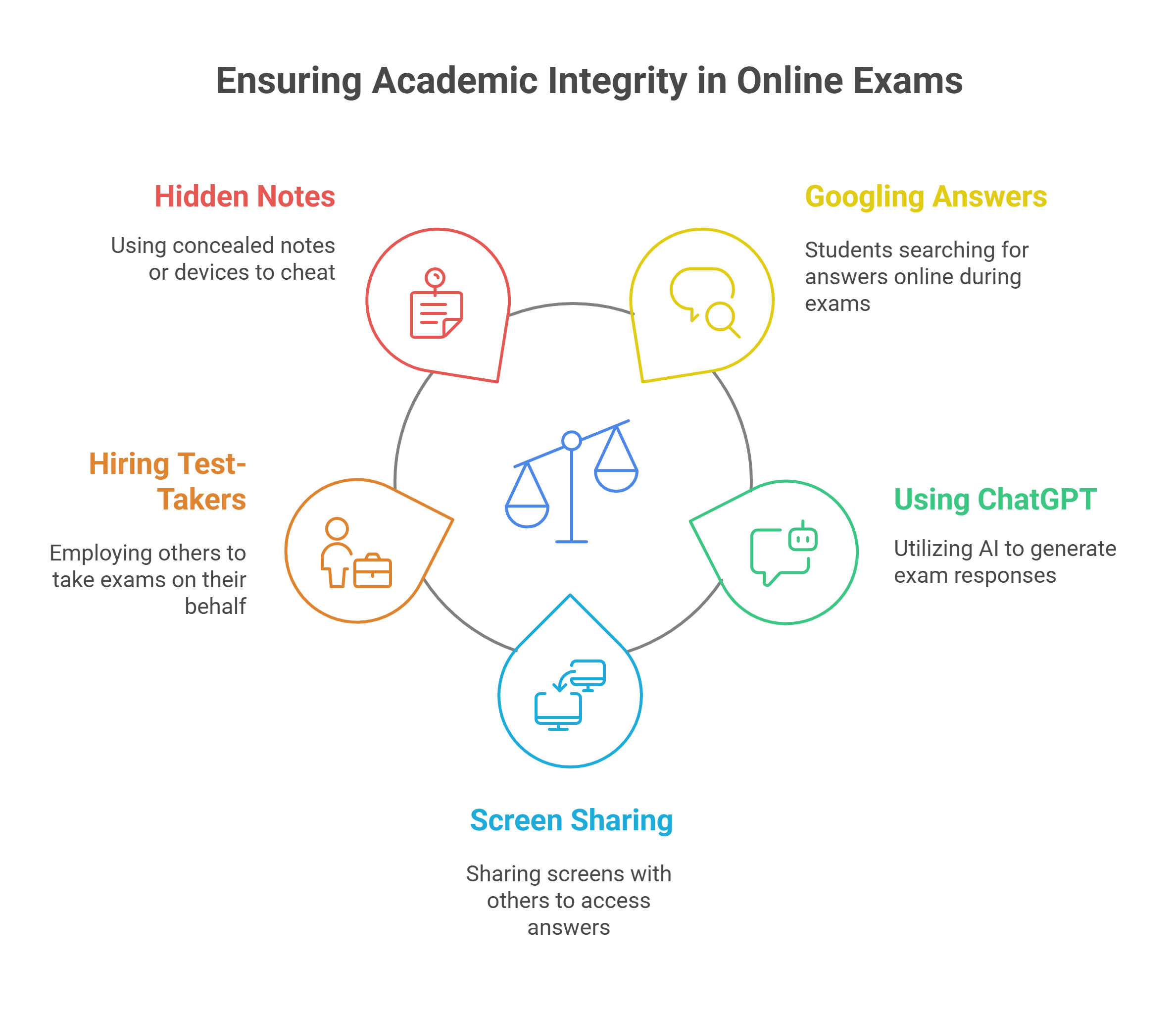
The Most Common Online Cheating Methods (and How iTest Stops Them)
Cheating in online exams isn’t new, but the methods have evolved with technology. From using AI tools to hiring impersonators, students are finding increasingly creative ways to bypass exam rules. Here’s a breakdown of the most common cheating techniques—and how iTest effectively prevents them.
1. Googling Answers During the Exam

- The Cheat: Students quickly switch tabs or open new browser windows to search for answers online.
- Why It’s Effective: Without proper monitoring or restrictions, students can easily access search engines or online resources during an exam.
- How iTest Catches It:
- Browser Lockdown: iTest ensures that students cannot open other tabs or applications during the exam. Once the test begins, their browser is locked into a secure mode.
- Tab Monitoring: If a student attempts to switch tabs or open unauthorized sites, iTest immediately flags the activity and sends real-time alerts to instructors.
- Evidence Logs: All attempts to bypass restrictions are recorded in detailed logs, providing proof of misconduct.
2. Using ChatGPT for Essays & Math Problems
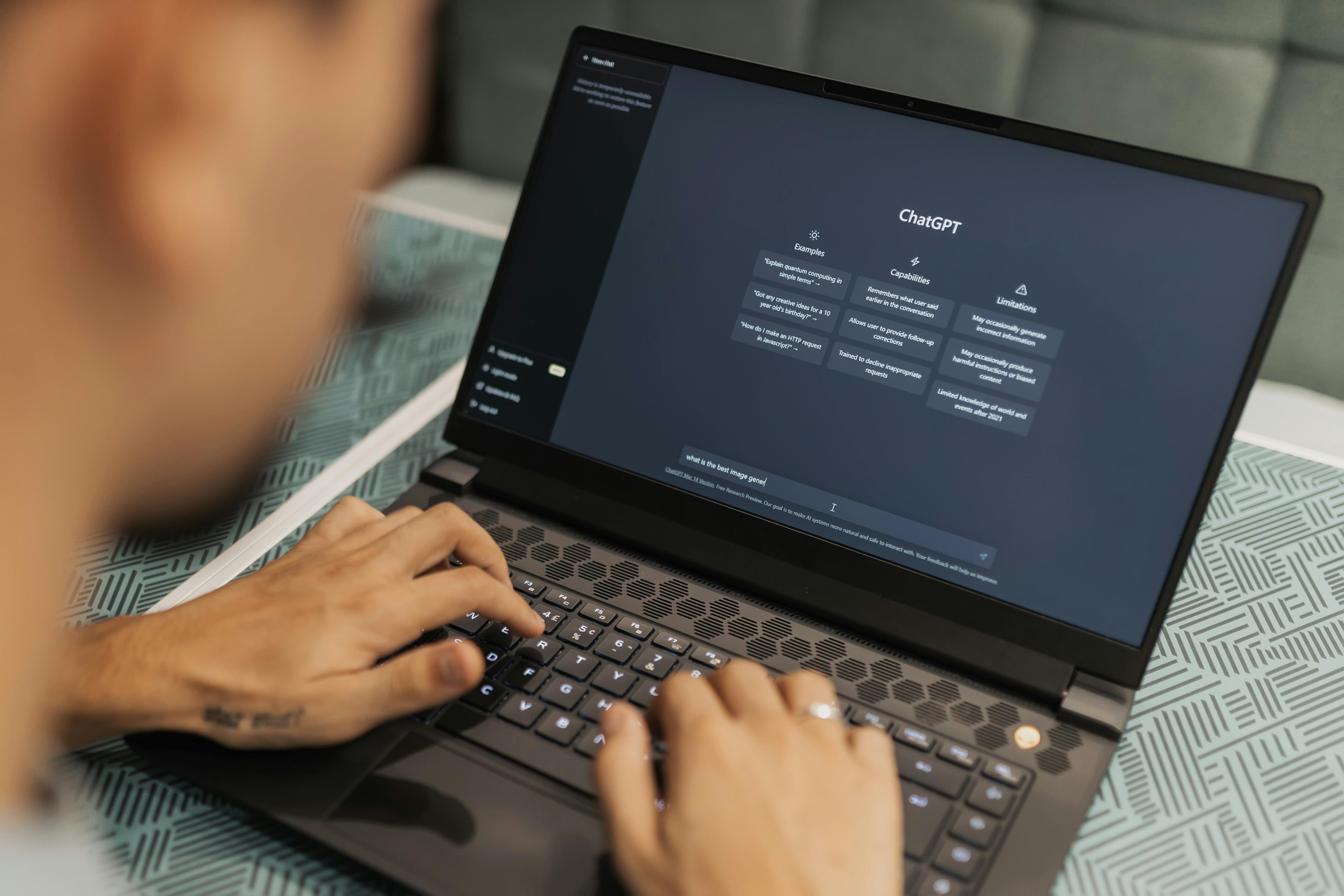
- The Cheat: Students rely on AI tools like ChatGPT to generate essay answers or solve complex math problems. These AI-generated responses often appear polished but lack originality or deep understanding.
- Why It’s Effective: AI tools can produce human-like responses that are difficult to differentiate from authentic student work.
- How iTest Catches It:
- AI Detection Algorithms: iTest uses advanced AI to analyze writing patterns and compare them with a student’s previous submissions. If the style or tone deviates significantly, it raises a red flag.
- Plagiarism Detection: iTest cross-checks AI-generated content against known databases and identifies unoriginal responses.
- Customizable Settings: Educators can configure iTest to flag overly sophisticated answers that don’t align with a student’s academic history.
3. Screen Sharing with a Friend

- The Cheat: Students secretly share their screen with someone off-camera who feeds them answers in real-time.
- Why It’s Effective: Without proper monitoring tools, screen sharing is nearly impossible to detect remotely.
- How iTest Catches It:
- Real-Time Screen Recording: iTest continuously records what’s happening on the student’s screen during the exam, ensuring there are no unauthorized activities.
- IP Tracking: If multiple users try to access the exam from different locations simultaneously, iTest detects this anomaly and alerts instructors.
- Behavioral Analysis: Sudden pauses or unusual cursor movements can also indicate suspicious activity.
4. Hiring a Fake Test-Taker

- The Cheat: Students hire someone else—a friend or even a professional—to take their exam on their behalf.
- Why It’s Effective: Without identity verification measures, it’s easy for someone else to impersonate the student.
- How iTest Catches It:
- Facial Recognition Technology: Before starting an exam, students must verify their identity through facial recognition. Any mismatch between the registered photo and live feed is flagged immediately.
- ID Verification: Students are required to upload official identification documents before beginning their test.
- Continuous Monitoring: Throughout the exam, iTest periodically scans for face mismatches or changes in appearance (e.g., someone swapping places).
5. Using Hidden Notes or Phones

- The Cheat: Students hide notes around their workspace or use phones placed out of sight to look up answers discreetly.
- Why It’s Effective: Without physical invigilation, students can easily conceal materials off-camera.
- How iTest Catches It:
- Room Scans: At the start of an exam, students must perform a 360-degree scan of their room using their webcam to ensure no unauthorized materials are present.
- Noise Detection: Microphones pick up on suspicious sounds like whispers or paper rustling, alerting instructors in real-time.
- Eye Movement Tracking: Unusual eye movements—such as frequent glances away from the screen—are flagged as potential signs of cheating.
Why iTest Works When Other Methods Fail
Unlike traditional proctoring methods that rely solely on human invigilators or basic software tools, iTest combines cutting-edge technology with adaptive features designed to outsmart even the most creative cheaters. Here’s why it stands out:
- AI-Powered Monitoring
- iTest continuously evolves its detection capabilities by learning from new cheating patterns and adapting its algorithms accordingly.
- Real-Time Alerts
- Instructors are notified immediately when suspicious activity occurs, allowing them to intervene during the test rather than after it’s too late.
- Comprehensive Evidence Reports
- Every flagged incident is backed by detailed logs and video recordings, giving educators concrete proof of misconduct for disciplinary action.
- Scalability
- Whether you’re overseeing a small class or thousands of students across multiple locations, iTest scales effortlessly without compromising security.
The Result? Fairer Exams and Honest Grades
By addressing every possible cheating method—both old and new—iTest ensures that exams remain fair for all students. This not only protects academic integrity but also fosters accountability among students by emphasizing the value of honest effort.
When institutions adopt iTest, they gain more than just a proctoring tool—they gain peace of mind knowing their assessments reflect genuine learning outcomes.
Ready to Stop Cheating for Good?
Online exams don’t have to be vulnerable to dishonesty anymore. With features like browser lockdowns, AI-powered monitoring, and real-time alerts, iTest makes securing online assessments simple yet effective.
Want to see how it works? [Schedule a Demo Today]